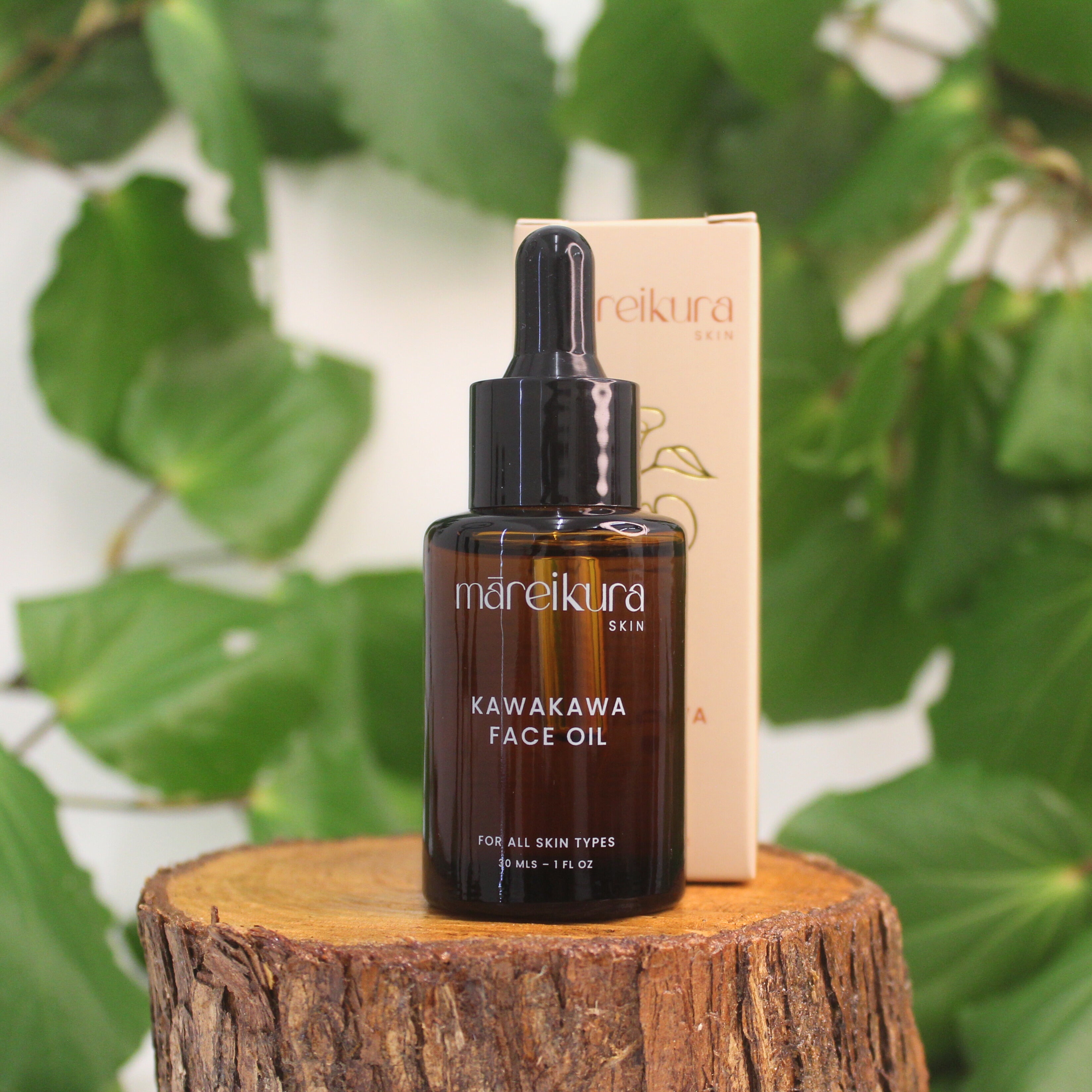
Kawakawa (Piper excelsum): Rongoā Māori Healing Benefits and Uses
With its bright, heart-shaped leaves and distinctive peppery aroma, Kawakawa (Piper excelsum) is one of Aotearoa New Zealand’s most cherished and versatile native plants. Long revered in Rongoā Māori (traditional Māori healing), this powerful native botanical offers a holistic approach to wellness, supporting physical health, soothing the mind, and protecting the spirit.
Whether you are exploring natural skincare, seeking digestive support, or looking to deepen your connection to native New Zealand plants, Kawakawa is a profound botanical ally. Here is a complete guide to the healing, botanical, and spiritual properties of this sacred Rongoā plant.
Physical Healing Benefits of the Kawakawa Plant
Kawakawa is a true powerhouse in natural first-aid and holistic wellness. Its complex chemistry is rich in essential oils, flavonoids, and aromatic compounds, providing a wide range of physical health benefits:
- Anti-inflammatory & Pain Relief: Traditionally used to soothe aches, minor pains, and swelling. When infused into carrier oils, Kawakawa balm makes a deeply comforting rub for sore muscles, stiff joints, and lower back tension. It also provides gentle relief for skin conditions like minor inflammation, chafing, and mild eczema.
- Natural First-Aid & Antimicrobial Support: Lab studies show Kawakawa leaf extracts possess antibacterial and antifungal properties. Used in natural washes or poultices, its natural tannins help draw out irritation and promote the healing of minor cuts, grazes, insect bites, and blemish-prone skin.
- Digestive Health: A mild, warm Kawakawa tea (infusion) acts as a gentle tonic for the entire digestive tract. Sipped after meals, it can ease stomach discomfort, indigestion, bloating, and gas.
- Antioxidant Protection for Skincare: Rich in free-radical scavenging compounds, Kawakawa extracts help protect skin cells from environmental stress. This makes it a highly sought-after botanical ingredient in natural skincare formulations for promoting skin vitality.
- Natural Insect Repellent: Historically, crushed Kawakawa leaves were used to deter pests. Today, it is frequently blended with essential oils to create gentle, DEET-free bug-repellent sprays and balms.
- Circulatory Tonic: In traditional herbal medicine contexts, Kawakawa is considered a “warming” plant that supports healthy blood circulation and general bodily flow.
Traditional Rongoā Māori Uses
For generations, Māori have utilized Kawakawa as a foundational wellness and healing plant. However, Rongoā Māori is a holistic "whole person" approach that honors the deep spiritual and physical connection between the individual and the ngahere (forest).
Historically, Kawakawa leaves were chewed fresh, brewed into traditional medicinal teas, or macerated into warm poultices. It was often combined with other native medicinal plants, such as Mānuka or Kumarahou, to create complex, personalized Rongoā formulations.
Harvesting Kawakawa is deeply tied to tikanga (cultural protocols). It is traditionally gathered with karakia (prayer) to acknowledge the mauri (life force) of the plant. In traditional practice, Kawakawa leaves with insect holes (often made by the Kawakawa looper moth) are preferred; these holes signify the plant’s strength, resilience, and high concentration of bioactive healing compounds.
(Note: Deep Rongoā knowledge and tikanga vary between iwi and hapū, and are best learned directly from tangata whenua and experienced Rongoā practitioners).
Botanical Profile & Sustainable Harvesting
Kawakawa is a bushy, multi-stemmed shrub or small tree native to New Zealand's coastal and lowland native forests. It thrives in moist, sheltered, and partially shaded environments.
- Plant Identification: It features smooth bark, bright to deep green heart-shaped leaves (5–12 cm long), and small spikes of tiny flowers that sometimes develop into pepper-like orange berries.
- Aroma & Taste: When crushed or brewed, the leaves release a warm, peppery, slightly sweet, and pungent aromatic scent.
- Sustainable Foraging: If you are harvesting Kawakawa leaves, responsible foraging is essential. Take only a small portion from each plant, leave the main stems intact, and ensure the shrub can continue to thrive and regenerate for future generations.
Spiritual and Metaphysical Properties
Beyond its physical medicinal uses, Kawakawa is deeply respected for its energetic resonance. It is a plant of energetic boundaries, emotional healing, and ancestral connection.
- Grounding & Protection: Kawakawa is often carried as a talisman or used in rituals to create a stabilizing energetic boundary. A sprig placed near an entryway acts as a spiritual guardian of the home.
- Heart-Center Healing: Mirroring its heart-shaped leaves, Kawakawa supports emotional healing, forgiveness, and compassion. It is an excellent botanical to incorporate into meditation focused on releasing grief and reconnecting with aroha (love).
- Energy Cleansing: Adding Kawakawa leaves to a warm bath, foot soak, or using them in gentle smoke rituals can energetically cleanse the aura and calm the nervous system.
- Ancestral Connection: Kawakawa plays a vital role in pōwhiri (welcoming ceremonies) and tangihanga (funerals), symbolizing respect, remembrance, and the continuity of life. Working with this plant deepens your relationship with Aotearoa’s natural landscapes.
A Simple Daily Practice
Sit quietly with a living Kawakawa plant and offer a moment of gratitude. You can place a single leaf over your heart or puku (belly) during rest or meditation to invite calm, grounding energy, and spiritual reconnection.
Kawakawa Safety & Side Effects
While Kawakawa is a highly beneficial natural remedy and generally well-tolerated, please observe the following safety guidelines:
- Internal Use: Kawakawa tea and tonics should be consumed in moderation. Avoid internal use if you are pregnant, nursing, or taking specific medications unless advised by a qualified natural health practitioner.
- Topical Use: Always patch-test new Kawakawa balms or skincare products on a small area of skin first, especially if applying to highly sensitive or damaged areas.