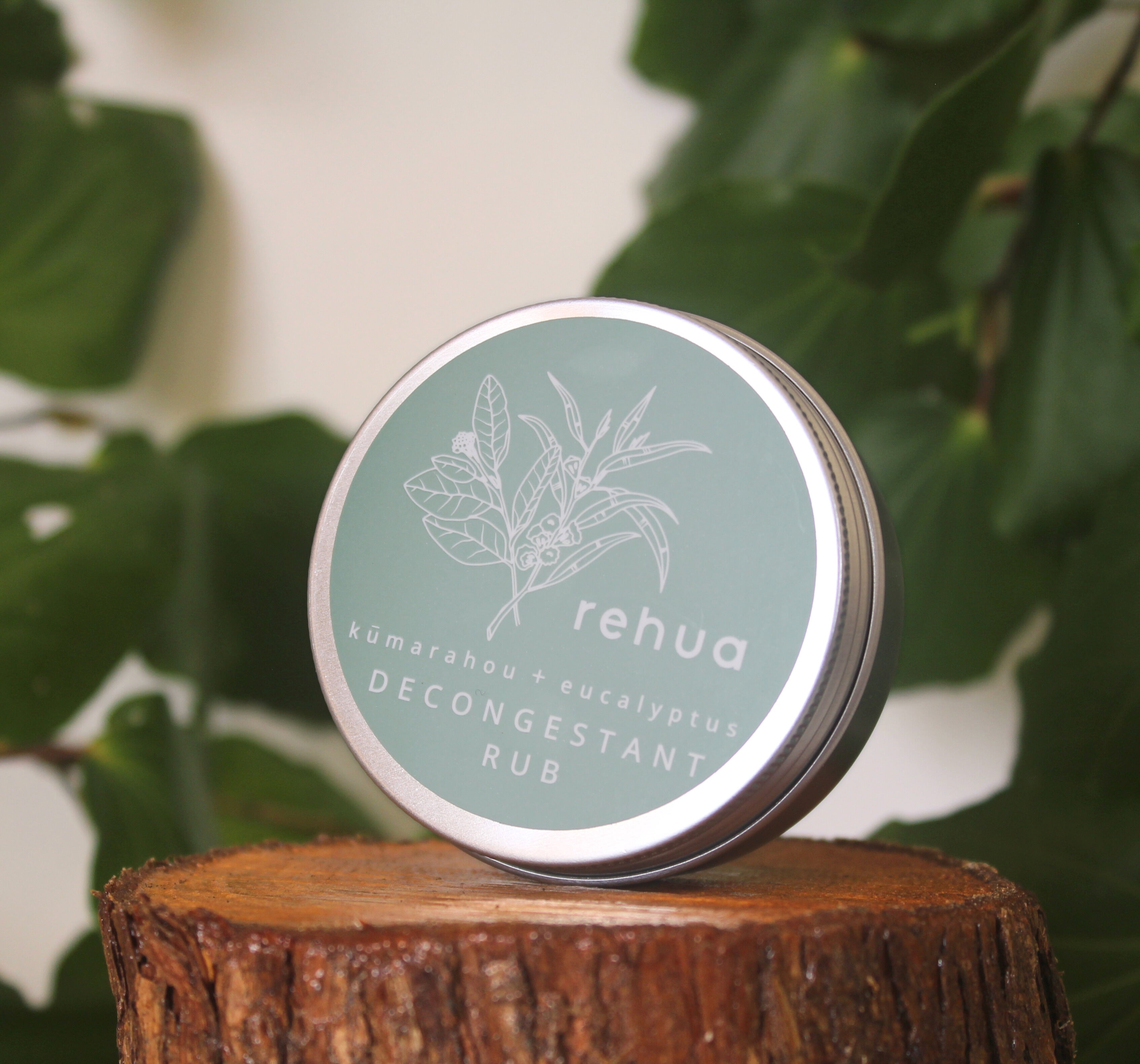
Kūmarahou (Pomaderris kumeraho): Rongoā Māori Healing & Respiratory Benefits
Known for its spectacular clusters of bright yellow flowers, Kūmarahou (Pomaderris kumeraho) is a highly valued native New Zealand shrub deeply rooted in Rongoā Māori (traditional Māori healing). Often referred to historically as "gumdigger's soap," this powerful botanical is most famous for its profound respiratory benefits, skin-soothing properties, and energetic cleansing abilities.
Whether you are looking for a natural expectorant to support lung health, a soothing botanical for irritated skin, or a way to energetically clear stagnation, Kūmarahou is a remarkable plant ally. Here is your complete guide to the physical, traditional, botanical, and spiritual properties of Kūmarahou.
Physical Healing Benefits of Kūmarahou
Kūmarahou has a strong, slightly bitter, and highly botanical profile that makes it a potent natural remedy. Its internal and external applications offer a holistic approach to wellness:
- Natural Respiratory Support (Expectorant): Kūmarahou is a traditional powerhouse for lung health. Taken as a warm decoction (a slowly boiled tea), it acts as an expectorant, helping to loosen phlegm, clear bronchial congestion, and make coughing more productive.
- Fever & Immune Support (Diaphoretic): At the onset of colds or the flu, mild Kūmarahou "sweating teas" are traditionally consumed to promote healthy sweating, supporting the body's natural immune response and recovery.
- Anti-inflammatory Relief: Sipping a Kūmarahou infusion can help ease the discomfort of scratchy throats and irritated airways. Topically, its anti-inflammatory properties are used to soothe red, inflamed, or itchy skin patches.
- Antimicrobial Wound Healing: Laboratory studies show that Kūmarahou extracts possess antimicrobial activity. Traditional washes and compresses made from the plant are used to gently cleanse minor cuts, grazes, blemish-prone skin, and everyday irritations like chafing or insect bites.
- Restorative Health Tonic: Kūmarahou is often used as a general restorative tonic during convalescence. Taken in short courses after an illness, it helps restore strength, clear lingering congestion, and act as a gentle "spring cleanser" to reset the body.
Traditional Rongoā Māori Uses
In Rongoā Māori, Kūmarahou is widely celebrated for its ability to treat respiratory complaints and support holistic recovery. Practitioners historically used decoctions and infusions of the stems and flowers for chest congestion, while applying the exact same plant topically to soothe sores and skin infections—reflecting a deeply interconnected view of the body.
The plant is often harvested while in full bloom and can be used fresh or dried. Preparation methods include boiled decoctions of stems and flowers, warm skin washes, topical compresses, and healing steam inhalations.
Harvesting Kūmarahou is guided by tikanga (cultural protocols). It involves taking only what is needed and reciting karakia (prayer) to acknowledge the plant's life force. This deep respect ensures the sustainability of the whenua (land) and the potency of the medicine. (Note: Authentic Rongoā knowledge is best learned directly from tangata whenua and experienced healers).
Botanical Profile & "Gumdigger's Soap"
Kūmarahou is a woody shrub native to New Zealand, particularly prevalent in the upper North Island. It thrives in poor or disturbed soils, wetlands, roadsides, and scrubby hillsides.
- Appearance: The plant features stems and leaves with a soft, slightly hairy texture. In late summer and autumn, it bursts into masses of frothy, pale-yellow, daisy-like flower clusters.
- The "Gumdigger's Soap" Connection: When rubbed with water, the flowers and young leafy tips of Kūmarahou produce a gentle lather. Historically, gumdiggers and bushmen used this natural lather to wash their hands, earning the plant its famous nickname.
- Sustainable Harvesting: While Kūmarahou forms dense stands, responsible foraging is crucial. Respectful harvesting means never over-stripping a single plant and protecting regenerating areas to ensure the shrub continues to thrive.
Spiritual and Metaphysical Properties
Beyond its physical healing traits, Kūmarahou carries strong energetic properties associated with clearing, expression, and renewal.
- Energetic Cleansing & Purifying: Just as it clears physical congestion from the lungs, Kūmarahou clears energetic stagnation. It is used in spiritual baths and steamings to refresh the energetic body and release heaviness.
- Throat Chakra & Clear Expression: Energetically, Kūmarahou supports the throat and chest. It is a wonderful ally for releasing long-held grief in the lungs, facilitating free breathing, and supporting practices focused on speaking your truth, singing, karakia, or public speaking.
- Restorative Rituals: Kūmarahou is symbolically linked with resilience. It is used in gentle home rituals to help "reset" the wairua (spirit) and body when transitioning from a period of illness back into everyday vitality.
- Connection to Whenua: Engaging with Kūmarahou with intention is a beautiful way to honor place-based healing traditions and deepen your connection to the landscape, seasons, and ancestral knowledge.
A Simple Daily Practice
Walk near a stand of flowering Kūmarahou and pay attention to your breath and the feeling in your chest. Alternatively, place a small, respectfully gathered sprig on an altar space when working on truth-telling, voice work, or healing after an illness.
Kūmarahou Safety & Side Effects
Because Kūmarahou is a potent, strong-tasting plant, it is traditionally used in moderate, time-limited courses. Please keep the following safety notes in mind:
- Internal Use: It is not typically recommended during pregnancy, while breastfeeding, or for individuals with complex medical conditions without professional guidance.
- Medication Interactions: People on regular medications or those with chronic respiratory diseases should seek advice from a qualified natural health practitioner before consuming Kūmarahou internally.
- Topical Use: Always patch-test new topical washes, balms, or extracts on a small area of skin first, especially on highly sensitive or damaged skin.