Health properties
Tūpākihi (Coriaria arborea) Topical use only! to be used as directed only!
Toxic - all parts contain toxic neurotoxins (tutin and related compounds); not suitable for internal use. Any topical use requires specialist formulation and clear safety testing. Historical reports link tutu-contaminated honey to severe poisoning, avoid ingestible products.
• Symptoms of poisoning can include agitation, convulsions, and serious nervous system effects — this is a high‑risk plant.
Only trained, experienced practitioners and qualified formulators should handle tūpākihi for any therapeutic purpose.
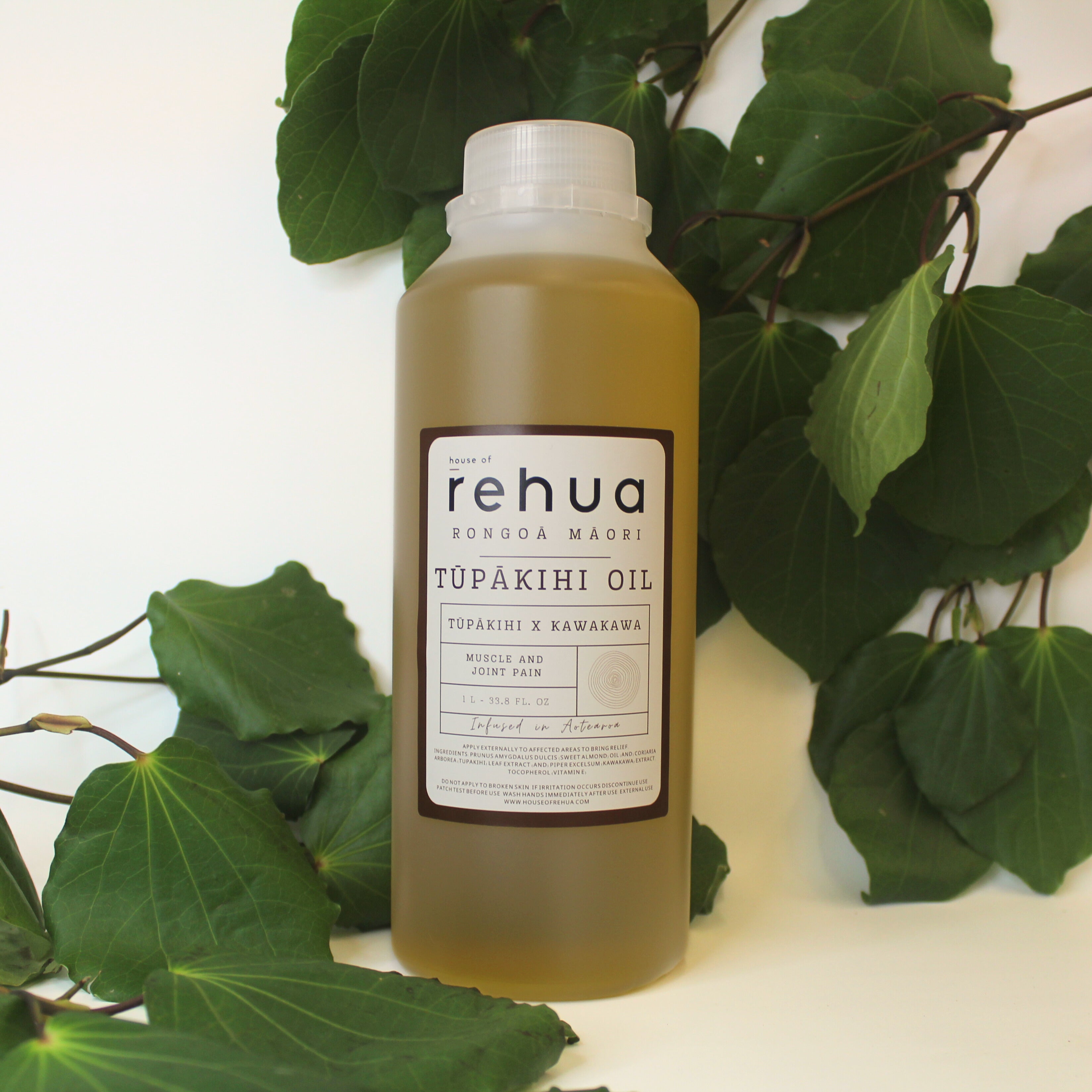
Pain / Discomfort - When Tūpākihi is extracted into a carrier oil it can be applied to sore or achy muscles and joints giving fast relief from pain and discomfort.
• Such use must be based on carefully controlled extraction, low and measured doses, and strict avoidance of broken skin or mucous membranes.
• Products should be clearly labelled, kept away from children and pets, and never confused with general household balms.
• General safety notes —
– Never ingest any part of the plant or products containing active tūpākihi extracts.
– Do not use in pregnancy, breastfeeding, on children, or on compromised skin.
– In case of suspected exposure or ingestion, seek urgent medical help immediately.
Traditional use
Māori knowledge recognizes tūpākihi/tutu as a poisonous plant; careful, limited uses and strong cultural protocols governed handling.
Uses were cautious and context-specific; some rongoā traditions note external/ritual handling under expert guidance, but routine medicinal ingestion was avoided due to toxicity.
Always defer to iwi/hapū knowledge and cultural authority regarding any traditional practices.
• Tūpākihi is often cited as an example of how mātauranga Māori includes deep awareness of both healing and harm in the natural world.
• In some traditions, only specific people with particular expertise or roles would handle the plant, and often in well-defined contexts.
• Stories and warnings associated with tūpākihi help teach respect for potent plants and the importance of correct identification and tikanga (protocols).
Physical properties
Form: upright shrub or small tree, 2–5 m tall.
Leaves: simple, alternate, dark green, elliptic to oblong.
Flowers/fruit: clusters of small, inconspicuous flowers followed by fleshy, bright red/orange false fruits (the arils surround toxic seeds).
Habitat: native to New Zealand, found in open scrubland and regenerating forest.
Distribution: widespread in suitable habitats across much of Aotearoa, often appearing in disturbed or regenerating areas.
Identification notes: the attractive, berry-like arils can be misleading — they look edible but are associated with highly toxic seeds, so teaching children to avoid them is important.
Ecology: can play a role in regenerating landscapes, but its presence near beehives or stock can be a management concern due to risk of contamination or browsing.
Metaphysical / Energetic properties
Potent protective/cleansing energy in some contemporary spiritual uses — associated with boundaries, warding, and confronting shadow aspects.
• Its toxicity is sometimes seen as symbolising “hard limits” and the necessity of strong, clear boundaries.
• Can be worked with in meditation or symbolic form when exploring themes of power, danger, and self‑protection.
Respected for its strength and warned-of danger; rituals emphasizing caution, respect, and expert guidance are common themes.
• Often approached as a teacher of humility, reminding people that not all “natural” things are gentle or safe.
• May feature in stories or teachings about discernment: knowing when to come close and when to keep a safe distance.
Given the plant’s toxicity, metaphysical use typically involves symbolic or non-ingestive representations rather than physical ingestion.
• People may use images, drawings, or carved/painted representations of tūpākihi instead of the physical plant.
• If physical material is ever present, it is usually handled minimally, with strong intention, awareness, and adherence to cultural guidance.