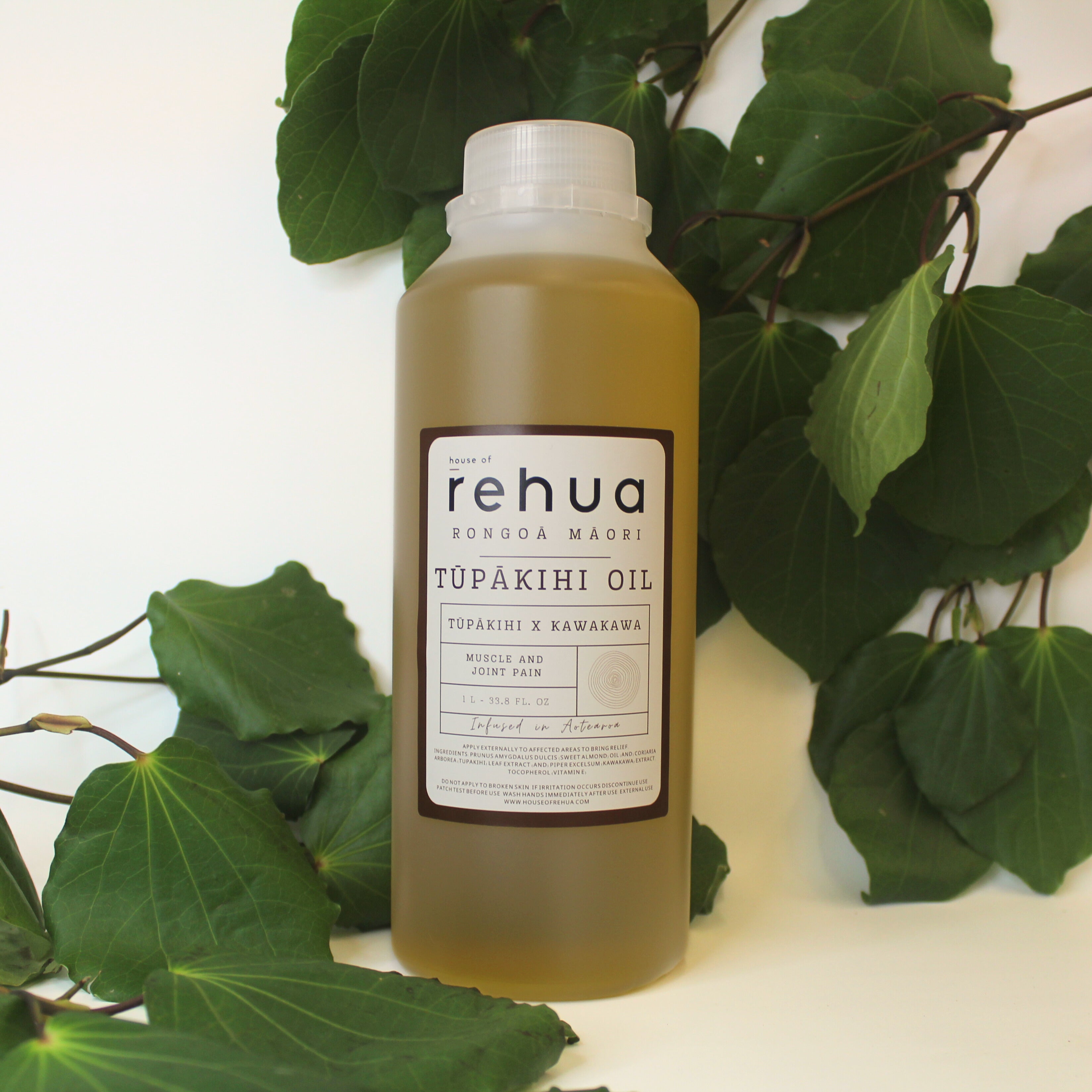
Tūpākihi : The Power, Precautions, and Protocols of a Potent Plant
⚠️ URGENT SAFETY WARNING: Tūpākihi (also known as Tutu) is highly toxic. All parts of the plant contain severe neurotoxins (tutin and related compounds). It is absolutely NOT suitable for internal use. Never ingest any part of this plant. In case of suspected exposure or ingestion, seek urgent medical help immediately.
In the realm of Aotearoa’s native flora, few plants command as much respect and caution as Tūpākihi (Coriaria arborea). Often referred to as the Tutu plant, Tūpākihi is a master teacher of boundaries, reminding us that not all elements of the natural world are gentle.
Within Rongoā Māori (traditional Māori healing), Tūpākihi stands as a profound example of how mātauranga Māori (Māori knowledge) encompasses a deep awareness of both the healing and harmful aspects of nature. Here is an exploration of this powerful plant, from its strict traditional uses to its potent energetic properties.
Traditional Use and Mātauranga Māori
Māori knowledge has long recognized Tūpākihi as a poisonous plant. Historically, its uses were highly cautious, context-specific, and governed by strict cultural protocols (tikanga).
Routine medicinal ingestion was entirely avoided due to its lethal toxicity. Instead, stories, warnings, and oral traditions associated with Tūpākihi were passed down to teach younger generations respect for potent plants and the critical importance of correct botanical identification.
In traditional practice, only specific individuals with specialized expertise and designated roles would handle Tūpākihi. Even today, any traditional or therapeutic handling of this plant must be done under expert guidance, always deferring to iwi and hapū knowledge and cultural authority.
Health Properties: Strictly Topical Relief
While Tūpākihi is dangerous to ingest, highly trained and experienced practitioners have historically utilized it for external relief.
- Fast Pain Relief: When Tūpākihi is carefully extracted into a carrier oil by a qualified formulator, it can be applied topically to sore or achy muscles and joints, providing fast relief from pain and discomfort.
- Strict Application Rules: This topical use relies on carefully controlled extraction, low and measured doses, and the strict avoidance of broken skin or mucous membranes.
- Handling Precautions: Any Tūpākihi-based product must be clearly labeled, stored securely away from children and pets, and never confused with general household balms. Only trained, experienced practitioners and qualified formulators should handle Tūpākihi for any therapeutic purpose.
Physical Botanical Properties
Knowing how to identify Tūpākihi is a vital safety skill when exploring the New Zealand bush.
- Form: An upright shrub or small tree, typically growing 2–5 meters tall.
- Leaves: Simple, alternate, dark green, and elliptic to oblong in shape.
- Flowers and Fruit: It features clusters of small, inconspicuous flowers followed by fleshy, bright red or orange false fruits (arils).
- The Danger of the Fruit: The attractive, berry-like arils can be incredibly misleading. They look juicy and edible, but they surround highly toxic seeds. Teaching children to avoid foraging these berries is a crucial safety measure.
- Habitat and Ecology: Native to New Zealand, it is widespread across Aotearoa, frequently appearing in open scrubland, disturbed earth, and regenerating forests. While it plays a positive role in regenerating landscapes, its presence near beehives or livestock is a major management concern due to the risk of tutu-contaminated honey (which has caused severe poisoning historically) or stock browsing.
Metaphysical and Energetic Properties
Beyond the physical, Tūpākihi holds potent protective and cleansing energy in contemporary spiritual uses. It is widely associated with boundaries, warding, and confronting shadow aspects of the self.
- The Symbolism of Toxicity: The plant's literal toxicity is often viewed metaphysically as representing "hard limits" and the absolute necessity of maintaining strong, clear personal boundaries.
- A Teacher of Humility: Tūpākihi is approached as a teacher that demands humility. It features in teachings about discernment—knowing when to draw close to something and when to keep a safe distance.
- Safe Spiritual Working: Because of its physical danger, metaphysical work with Tūpākihi typically involves symbolic representations rather than handling the physical plant. Practitioners may use images, drawings, or carved representations in meditation when exploring themes of power, danger, and self-protection. If physical material is ever present, it is handled minimally, with strong intention, total awareness, and strict adherence to cultural guidance.
Essential Safety Checklist
To summarize the critical handling of Tūpākihi:
- Never ingest any part of the plant or products containing active Tūpākihi extracts.
- Avoid completely during pregnancy and breastfeeding.
- Do not use on children or on compromised/broken skin.
- Symptoms of poisoning include agitation, convulsions, and serious nervous system effects.
- Seek immediate medical attention if ingestion occurs